
Most Denver wedding transportation problems are timing problems wearing a different hat. The vehicle is rarely the issue — what goes wrong is that someone booked a shuttle to collect guests at 4:30 for a 5:00 ceremony, and loading thirty people in formalwear takes twenty-five minutes, not five.
Plan the clock properly and the rest is straightforward. Call (720) 694-7791.
Three Separate Bookings, Not One
Couples tend to think of wedding transport as a single line item. It’s usually three, and they have different requirements.
The bridal party. Getting ready location to ceremony. Small group, formalwear, and the dress is the sizing constraint — a full gown takes the space of two or three passengers and shouldn’t arrive creased.
Guest shuttles. Hotel to ceremony to reception and back. Larger volume, multiple runs, and the thing that actually determines whether your timeline holds.
The couple’s departure. Reception to hotel or airport, usually late, usually after a long day.
Booking them together with one operator is simpler than coordinating three, and it means one dispatcher holds your whole timeline rather than three holding fragments of it.
Sizing Denver Wedding Transportation
| Vehicle | Realistic in formalwear | Role |
|---|---|---|
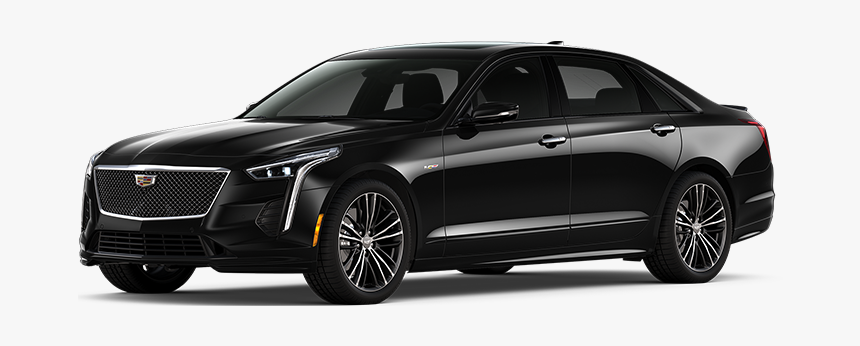 Cadillac CT6 | 2–3 | Couple’s departure, parents |
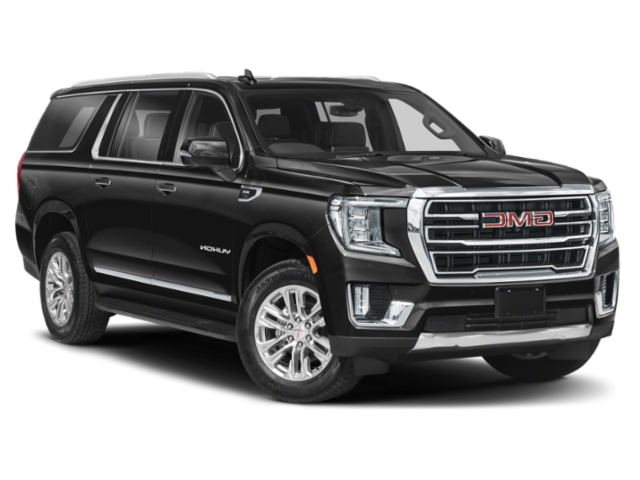 GMC Yukon XL | 4–5 | Immediate family, groomsmen |
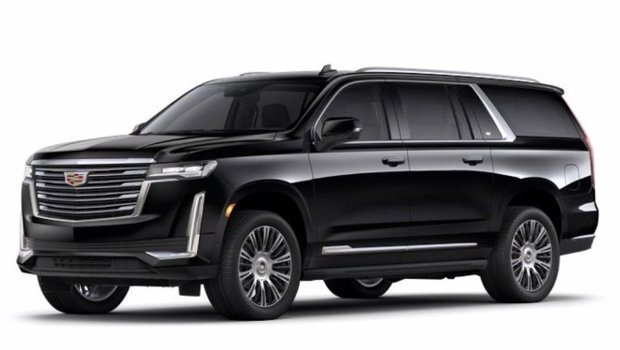 Cadillac Escalade ESV | 4–5, or bride plus 2–3 | Bridal arrival, VIP guests |
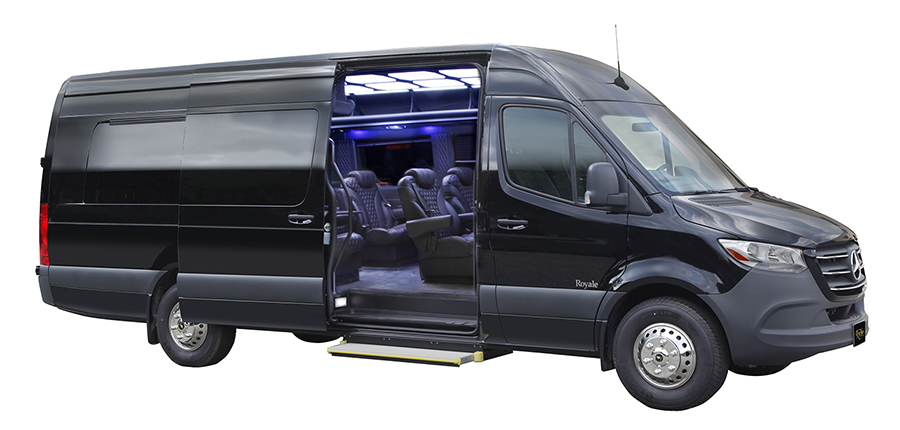 Executive Sprinter | 9–11 | Bridal party together, guest runs |
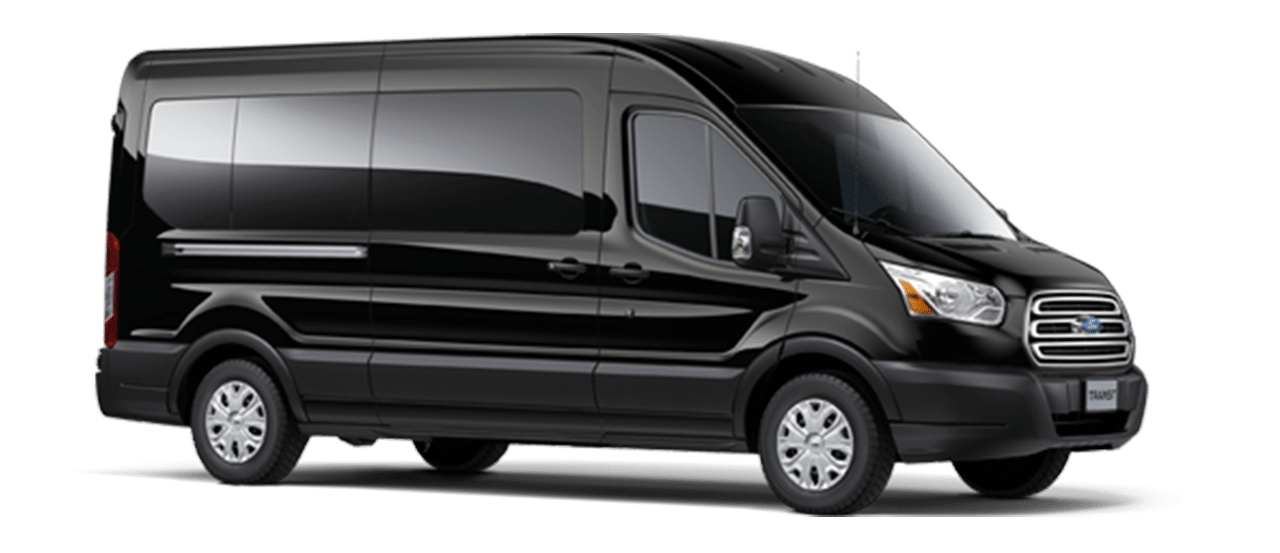 Ford Transit High Roof | 11–13 | Guest shuttles, maximum capacity |
Those figures assume formalwear throughout, which is the realistic version rather than the brochure one. Suits, gowns and winter coats all take more room than everyday clothes.
The Guest Shuttle Maths
This is where most couples under-plan, so here’s the arithmetic.
A thirteen-seat van carrying guests from a hotel to a venue fifteen minutes away completes a round trip in roughly 45 minutes once you count loading, driving, unloading and returning. Not thirty.
So one van moves about 26 guests per hour on a short route. Sixty guests needs either two vans or a two-hour window, and most couples have neither planned.
Two practical rules. Start the first run earlier than feels necessary — 90 minutes before the ceremony, not 45. And if you have more than 50 guests shuttling, price two vehicles before assuming one will do it.

Mountain Venues Change Everything
A large share of Denver weddings happen in the mountains — Vail, Breckenridge, Estes Park, Georgetown, the venues up Clear Creek Canyon — and that converts a straightforward shuttle into a different job.
Drive times stretch and vary with traffic in ways a city route doesn’t. Winter venues fall under Colorado’s traction law on I-70, requiring properly equipped vehicles and drivers who know the roads. Some venue access roads are narrow, steep or unpaved, and a large van can’t always reach the door.
Ask your venue directly what size vehicle can access it, and tell your operator the answer. Our traction law guide covers the winter requirements, and COtrip.org carries live conditions.
Timing That Actually Holds
| When | What’s happening |
|---|---|
| 3 hrs before | Bridal party pickup from getting-ready location |
| 90 min before | First guest shuttle departs the hotel |
| 60 min before | Second shuttle run if needed |
| 30 min before | Bridal arrival — last, by design |
| End of reception | First return run |
| +45 to 90 min | Final return run |
Note the return side. Guests don’t leave together — some go at nine, some at midnight. A single return run leaves half your guest list stranded, and a wedding venue at 11pm is not somewhere people can easily summon a ride.
Book Hourly, and Book Early
Weddings run long. Photographs overrun, speeches overrun, the first dance happens twenty minutes after it was scheduled. Point-to-point booking assumes a timeline that weddings don’t keep.
Hourly keeps the vehicle with you and absorbs the slippage. Ask about the minimum booking length and the overtime rate, because both matter on a day that reliably runs over.
On timing: Denver’s wedding season runs late spring through early autumn, and Saturdays in that window are the single most contested dates on any operator’s calendar. Six to eight months ahead is normal for a summer Saturday. Larger vehicles go first, because a sixty-guest shuttle has no substitute.
Our guide to vetting a Denver transportation company covers the licensing and insurance questions worth asking — for a wedding, PUC registration and commercial liability coverage should be the first thing you confirm, not the last.
Five Things Couples Forget
Name a point of contact who isn’t the couple. On the day, nobody should be calling the bride about a shuttle.
Confirm where vehicles can actually stop at both venues — some have a loading zone rather than a front door.
Tell your operator about out-of-town guests arriving at DIA. Airport runs are easy to add in advance and awkward to arrange on the day — our airport transfer guide covers that side.
Check whether gratuity is included so it’s in the budget rather than a surprise.
And have a weather plan. A Denver wedding in October can meet snow, and a mountain venue can meet it in September.
See our rates or call (720) 694-7791.

Frequently Asked Questions
How far ahead should I book Denver wedding transportation?
Six to eight months for a summer Saturday. Larger vehicles go first, since a large guest shuttle has no substitute.
How many guests can one shuttle move?
About 26 per hour on a short route, once loading and the return leg are counted. Over 50 guests, price two vehicles.
When should the first guest shuttle leave?
Ninety minutes before the ceremony. Loading thirty people in formalwear takes longer than anyone expects.
Should I book hourly or point-to-point?
Hourly. Weddings run over, and hourly absorbs that without waiting charges.
Can you reach mountain venues?
Most, but access roads vary. Ask your venue what size vehicle can reach it and tell us the answer — call (720) 694-7791.
Do we need a return shuttle too?
Yes, and usually more than one run. Guests leave at different times, and a venue at midnight is a difficult place to find a ride.