
The Denver airport to Cheyenne Wyoming run is about 110 miles north on I-25 and takes roughly two hours — and it’s the one transfer on our board where the main risk isn’t traffic at all. It’s that the road closes. The stretch between Fort Collins and Cheyenne crosses open high plains, and ground blizzards shut it down several times most winters while Denver sits under clear sky.
Plan for that and it’s a straightforward drive. Call (720) 694-7791.

The Drive
| Leaving DIA | Realistic time |
|---|---|
| Before 6:00 AM | 1 hr 50 – 2 hrs |
| 6:00–9:00 AM | 2 hrs – 2 hrs 20 |
| 9:00 AM – 3:00 PM | 1 hr 55 – 2 hrs 10 |
| 3:00–7:00 PM | 2 hrs 20 – 2 hrs 50 |
| After 7:00 PM | 1 hr 50 – 2 hrs 5 |
You clear the metro in the first forty minutes, then it’s open highway. The northern Front Range commute through Fort Collins is the only congestion worth planning around.
Why Cheyenne Uses Denver’s Airport
Cheyenne has an airport, but commercial service is limited. For most trips the practical choice is DIA, which is why a two-hour ground transfer is a normal part of travel planning here rather than an inconvenience.
Several groups take the route regularly.
Military travel to F.E. Warren Air Force Base, which generates steady year-round movement and spikes around permanent change of station periods.
Government and business travel to the state capital.
Cheyenne Frontier Days in late July — the single busiest week of the year on this route, drawing visitors from across the country and filling vehicles across both states. Book that one well ahead.
Onward travel into Wyoming, since Cheyenne is the gateway to Laramie, Casper and the route toward Jackson and Yellowstone.

Booking a Denver Airport to Cheyenne Wyoming Transfer
Two things matter more here than on a metro run.
Book further ahead. Fewer operators run a 110-mile cross-state route, and a two-hour drive each way means a vehicle is committed for most of a half day. Forty-eight hours is a minimum; a week is comfortable; Frontier Days needs weeks.
Give your flight number. On a transfer this long, a delay that goes untracked is an expensive gap. A pre-booked vehicle adjusts automatically — our airport transfer guide covers how pickup works at the terminal.
Rideshare is unreliable at this distance for the same reason it fails on the mountain routes: a two-hour empty return leg means most drivers decline, and the ones who accept sometimes reconsider. Our rideshare comparison explains the economics.
Which Vehicle
| Vehicle | Capacity | Suits |
|---|---|---|
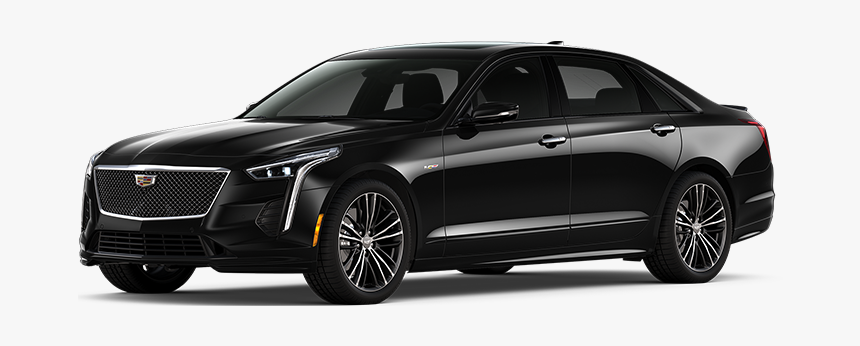 Cadillac CT6 | Up to 3 | Business travel, light luggage |
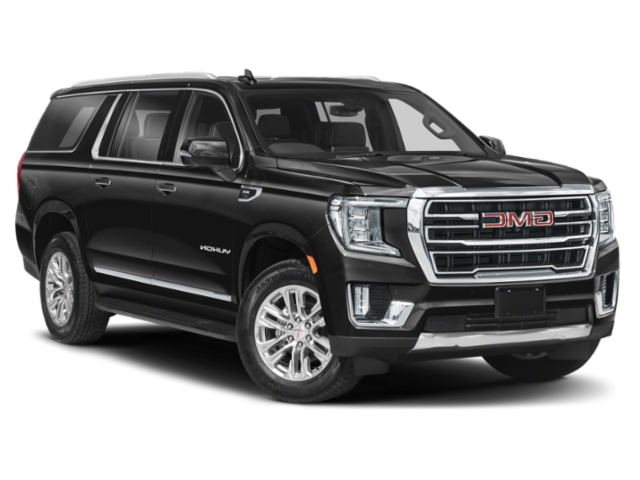 GMC Yukon XL | 6 seats, 4 with full luggage | Families, standard transfers |
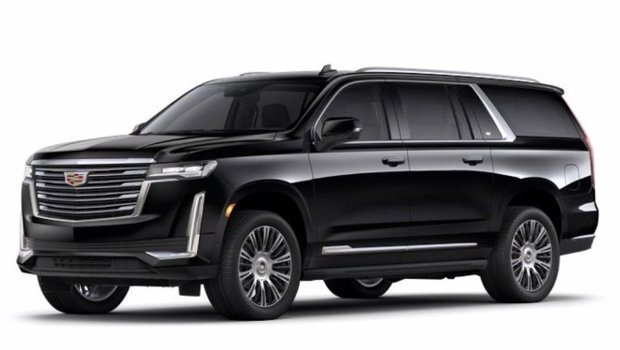 Cadillac Escalade ESV | 6 seats, 4 with full luggage | Formal arrivals, government travel |
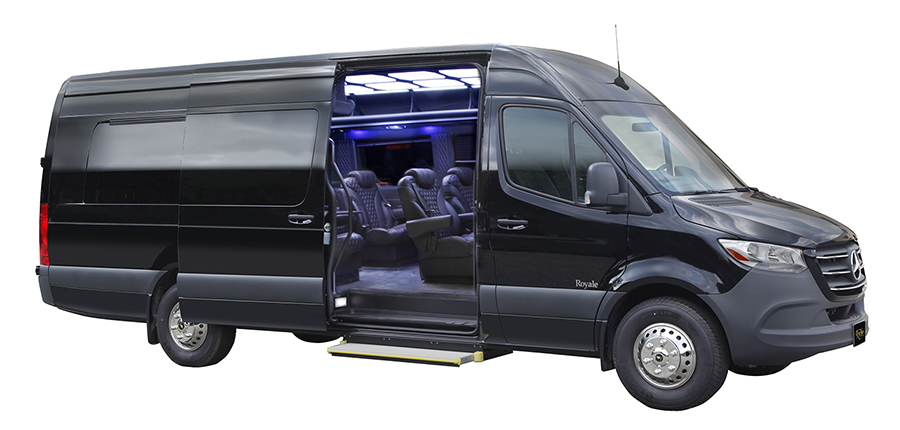 Executive Sprinter | Up to 13 | Groups — two hours is long in an SUV |
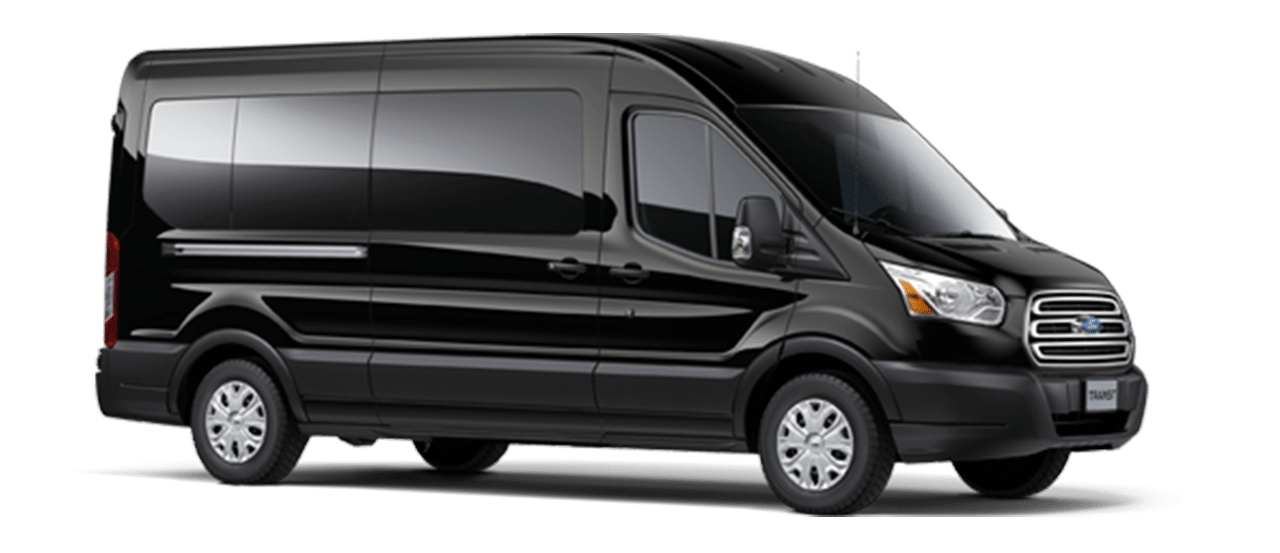 Ford Transit High Roof | Up to 14 | Maximum luggage, PCS moves, Frontier Days |
At two hours each way, the Sprinter’s standing headroom and individual seating stop being a luxury. For any group of six or more, it’s usually both cheaper per head and a materially better journey than two SUVs.
The Winter Reality
This deserves its own section because it genuinely changes travel planning.
I-25 between Fort Collins and Cheyenne runs across exposed high plains with little to break the wind. Ground blizzards — snow already on the ground, lifted and driven by high wind — reduce visibility to nothing and close the interstate periodically through winter, sometimes for hours, sometimes for a day.
Crucially, this can happen when it isn’t snowing and when Denver looks fine. The trigger is wind, not fresh snowfall.
What that means practically: check conditions on both COtrip.org for the Colorado side and Wyoming’s own travel information service for the stretch north of the state line, before you travel rather than on the way. And if you’re flying out of DIA in winter, build genuine slack into the plan rather than the usual buffer.
Colorado’s traction law doesn’t apply on this corridor the way it does on I-70, but winter-equipped vehicles and experienced drivers matter here for a different reason — our traction law guide covers where the rules do apply.
See our rates or call (720) 694-7791.

Frequently Asked Questions
How far is Cheyenne from Denver airport?
About 110 miles north on I-25 — roughly two hours in clear conditions, and up to two hours fifty in the evening peak.
Why not fly into Cheyenne?
Commercial service there is limited, so DIA plus a ground transfer is the practical option for most trips.
Does I-25 close in winter?
Yes, periodically. Ground blizzards driven by wind close the stretch north of Fort Collins several times most winters, sometimes while Denver is clear.
Can I take an Uber to Cheyenne?
Rarely reliably. A two-hour empty return leg means most drivers decline, and acceptances are often cancelled.
Do you serve F.E. Warren Air Force Base?
Yes, including PCS moves where luggage volume usually means a van. Call (720) 694-7791.
What about Cheyenne Frontier Days?
The busiest week of the year on this route. Book several weeks ahead, particularly for groups.