
Most companies arrive at Denver corporate transportation the same way — through an expense report. Someone notices that twelve people claimed rideshare to the airport last quarter, at wildly different rates, with no way to tell whether any of it was reasonable. The question stops being about comfort and starts being about control.
That’s the right frame. Call (720) 694-7791.

What an Account Actually Changes
One invoice instead of forty receipts. Central billing removes the reconciliation entirely — finance gets a single line rather than chasing individual claims at varying rates.
Rates you can budget against. Flat rates quoted in advance don’t move with surge, weather or time of day, which makes travel costs predictable rather than a range.
Certainty on the things that matter. A vehicle assigned the day before is a vehicle that exists. For a 5am departure or a client collection at a fixed meeting time, that’s the whole product.
Someone to call. When a flight is cancelled or a meeting moves, dispatch handles it. Nobody is re-requesting a ride from a terminal between calls.
The Five Things Denver Corporate Transportation Gets Booked For
Airport transfers are the bulk of it — executives and staff to and from DIA, which our airport transfer guide covers in detail.
Client collection. A visiting executive met at baggage claim rather than left to find a kerb. Small detail, disproportionate effect on how the day starts.
Conference and event movement — teams arriving in waves, materials to carry, and a session time that doesn’t move. The Colorado Convention Center, Gaylord Rockies and the Broomfield and DTC business parks generate most of this.
Roadshows and multi-stop days, where a vehicle stays with the group across several meetings. Booked hourly rather than point-to-point.
Team and holiday events, where the liability question matters more than the convenience one — our holiday party guide covers that.
Which Vehicle for What
| Vehicle | Capacity | Typical use |
|---|---|---|
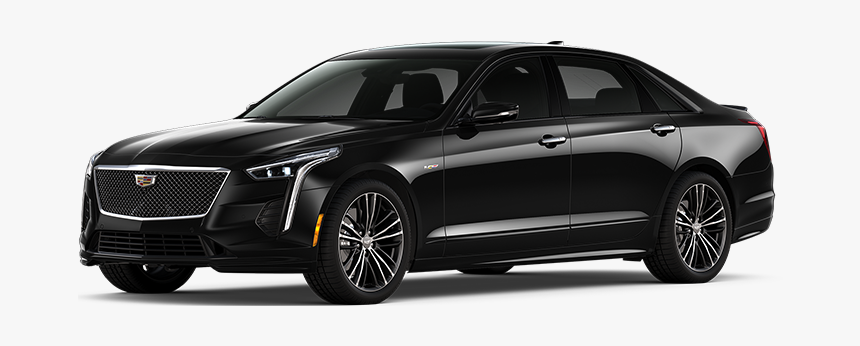 Cadillac CT6 | Up to 3 | Solo executive travel, carry-on |
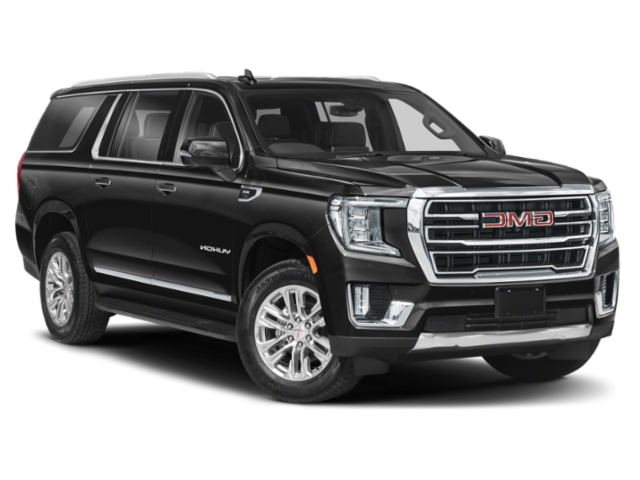 GMC Yukon XL | 6 seats, 4 with luggage | Small teams, checked bags |
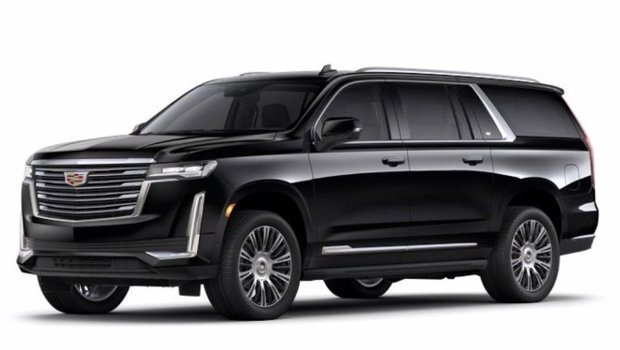 Cadillac Escalade ESV | 6 seats, 4 with luggage | Client collection, board-level travel |
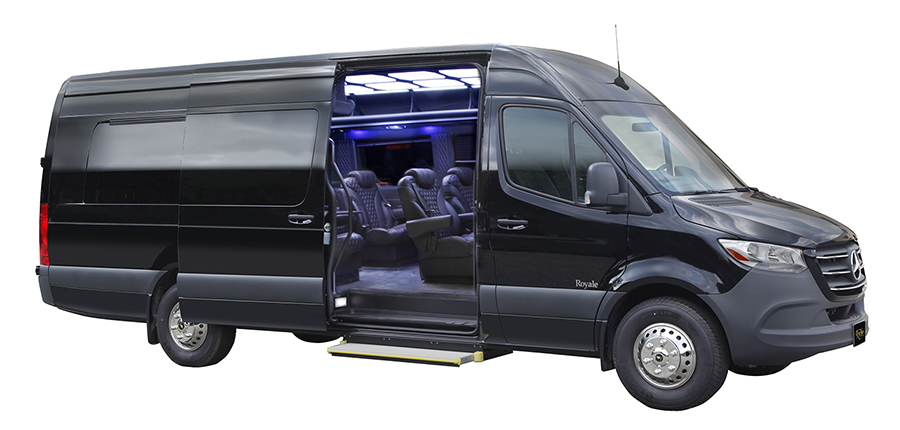 Executive Sprinter | Up to 13 | Teams together, work en route |
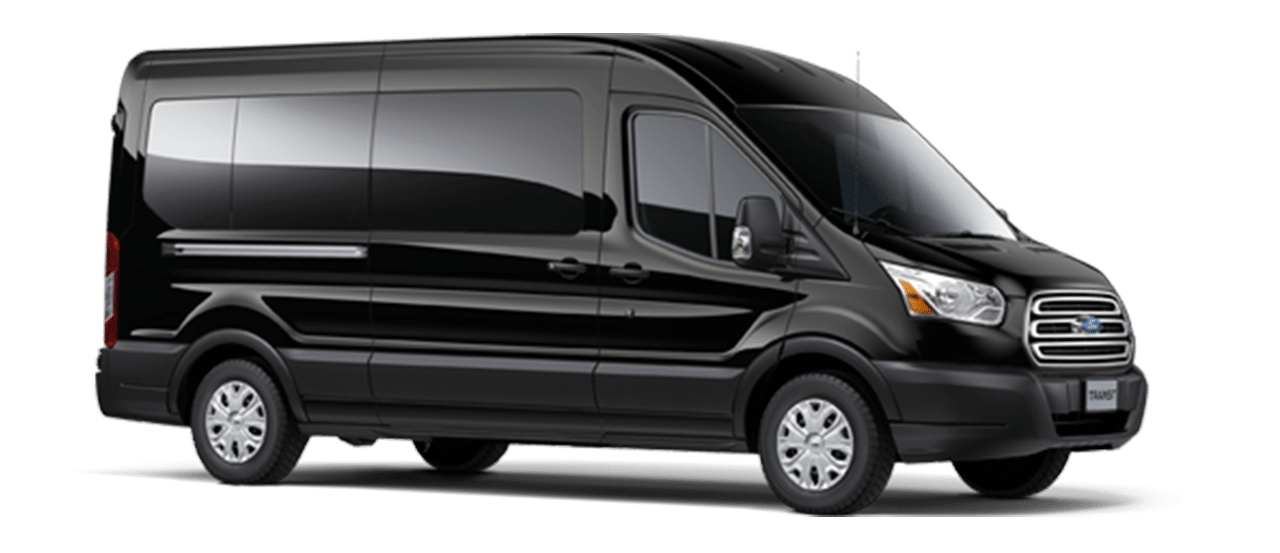 Ford Transit High Roof | Up to 14 | Conference groups with displays and materials |
The Sprinter is the vehicle corporate bookers most consistently underuse. For a team of eight heading to the same place, one vehicle costs less than three cars, everyone arrives together, and the journey becomes usable time rather than three separate dead hours.
Seven Questions Before You Sign Anything
These are the ones that separate operators, and any of them should be answered immediately.
Are you registered with the Colorado Public Utilities Commission, and what commercial liability coverage do you carry? For transport your company is arranging, this is first rather than last. Check the Colorado PUC if you want to verify independently.
Do you own the vehicles or subcontract? Subcontracted work varies in standard and complicates accountability when something goes wrong.
Is the rate flat, and what’s included? Gratuity, tolls, wait time and airport fees vary. Compare totals, not headline rates.
Do you track flights and adjust at no charge? On arrivals this is the feature that matters most.
How does billing work? Central invoicing, cost-centre coding, and whether individual travellers can book against the account.
What happens at 4am on a Sunday? Dispatch availability outside business hours is where service quality shows.
What’s the cancellation and no-show policy? Business travel changes constantly, and the terms should reflect that.
Our fuller guide on vetting a Denver transportation company expands on the licensing side.

Setting It Up
An account is usually straightforward — company details, billing contact, authorised bookers, and any standing preferences like default vehicle class or whether gratuity is included in the rate.
Worth agreeing upfront: who can book, whether travellers book directly or through an administrator, and how cost centres are coded if finance needs that split.
See our rates or call (720) 694-7791 to discuss an account.

Frequently Asked Questions
How does a corporate account work?
Central billing against one invoice rather than individual expense claims, with agreed rates and authorised bookers.
Can individual employees book against the account?
Yes, if you want it set up that way. Alternatively bookings can route through a single administrator.
Do you handle conference groups arriving on different flights?
Yes. Give every flight number and each vehicle is tracked and adjusted separately.
What vehicle for a team of eight?
An Executive Sprinter. One vehicle, one arrival time, and the journey becomes working time.
Are you PUC registered and insured?
Yes — ask any operator this first, and verify it independently if you want to. Call (720) 694-7791.
What about early morning or late night travel?
Covered, and it’s where a pre-booked vehicle matters most — rideshare availability is thinnest exactly when the need for certainty is highest.