
Knowing how to choose a limo company matters more in Colorado than in most states, for a reason that has nothing to do with luxury: a two-hour mountain drive in February is a genuinely demanding piece of work, and the gap between operators who are equipped for it and operators who aren’t is not visible on a website.
Here’s what actually separates them, and what to ask. Call (720) 694-7791.
Fair disclosure: we’re one of the operators you’d be comparing. This is written as a checklist rather than a sales pitch — use it on us alongside everyone else.

Start With Licensing and Insurance
Colorado regulates passenger carriers through the Public Utilities Commission. An operator should be registered, and should be able to tell you so without hesitation.
Ask two things: are you PUC registered, and what commercial liability coverage do you carry? If either answer is vague, slow or defensive, that’s your signal — and it’s the one question where a wrong answer matters more than price.
You can verify independently through the Colorado PUC if you want to.
Owned Fleet or Subcontracted?
This is the question most people don’t know to ask, and it explains a lot of bad experiences.
Some operators run their own vehicles and employ their own drivers. Others broker the work out to whoever is available, which means the vehicle and driver you get may have no connection to the company you booked with.
Subcontracting isn’t automatically bad, but it does mean inconsistent standards and a harder time getting accountability when something goes wrong. Ask directly.
The Colorado-Specific Questions
These are what separate a competent city operator from one that can handle the mountains.
Are your vehicles traction-law compliant? Colorado’s traction law runs on I-70 from September through May, requiring adequate tyres or all-wheel drive. It should be standard rather than something they check for you.
How experienced are your drivers on the mountain corridor specifically? Vail Pass in a storm is not general driving, and the honest answer distinguishes operators quickly.
Do you track flights and adjust at no charge? On an arrival transfer this is the single most valuable feature, and not every operator includes it.
What happens if I-70 closes? Nobody can drive through a closed road, but how an operator answers tells you whether they’ve thought about it.
Our traction law guide covers what compliance actually requires.

Read the Quote, Not the Headline
Two quotes aren’t comparable until you know what’s inside them.
Gratuity — included or added later? This is the most common reason two apparently similar prices differ. Tolls, on routes using E-470. Wait time, and how much is included on an airport pickup. Overtime rate, on hourly bookings that run long. Extras like child seats and meet-and-greet. And the cancellation window.
A quote well below market usually excludes something. Ask what. Our guide on what a limo costs in Denver covers the pricing structures.
What the Fleet Tells You
Vehicle age and condition are a reasonable proxy for how an operator runs. Ask what you’re actually getting rather than what’s on the website — some fleets photograph better than they drive.
| Vehicle | Capacity | Typical use |
|---|---|---|
 Cadillac CT6 | Up to 3 | Executive travel |
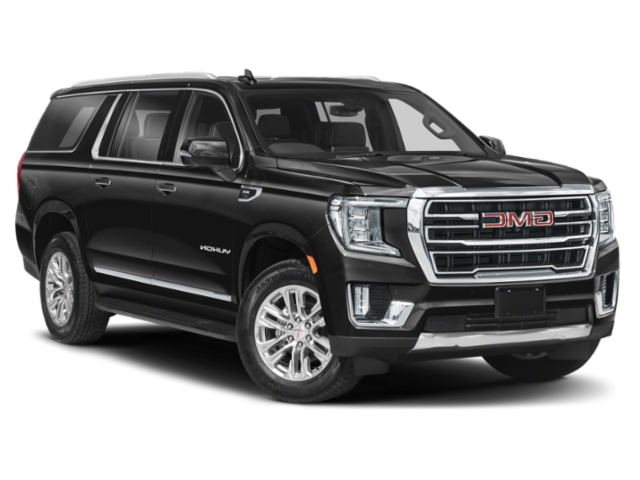 GMC Yukon XL | 6 seats, 4 with gear | Families, airport transfers |
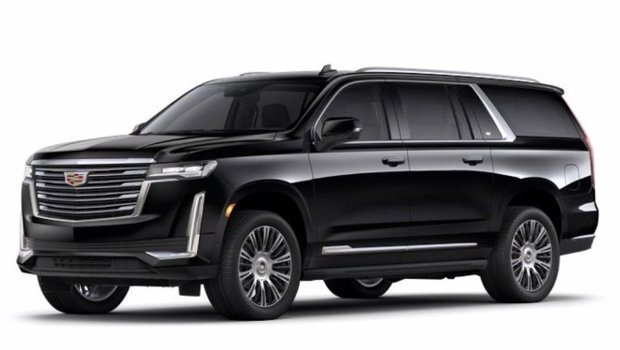 Cadillac Escalade ESV | 6 seats, 4 with gear | Client collection, events |
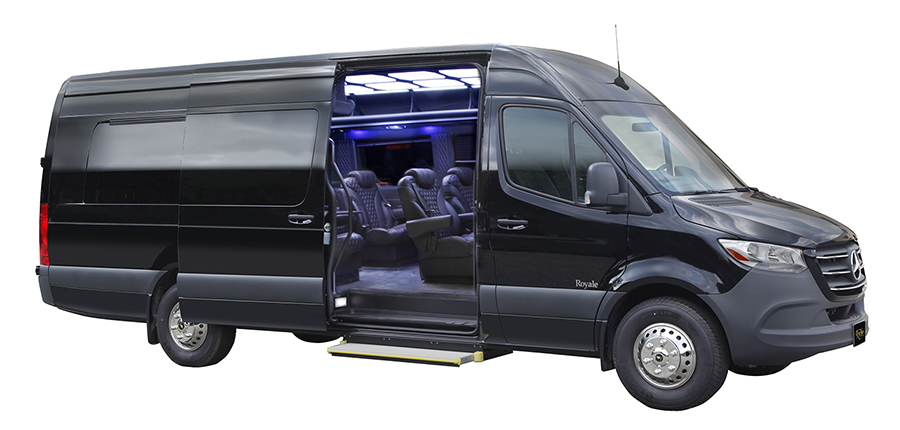 Executive Sprinter | Up to 13 | Groups, teams, weddings |
 Ford Transit High Roof | Up to 14 | Maximum luggage and gear |

Red Flags Worth Walking Away From
No physical address or PUC registration listed anywhere.
Reluctance to answer the insurance question directly.
No written confirmation — you should get a booking confirmation, then driver and vehicle details before the trip.
No stated cancellation policy.
Vagueness about where they’ll meet you at DIA. Professional dispatch always knows which commercial zone they use.
And reviews that only mention price. Look for reviews describing winter conditions, delayed flights and problems handled — that’s what you’re actually buying.
Match the Operator to the Job
A company that’s excellent at downtown evening work may have no mountain experience. One that runs ski transfers daily may not be set up for a sixty-guest wedding shuttle.
Ask what they do most. An operator who says “mountain transfers, mainly” is telling you something useful, and so is one who hesitates.
See our rates or call (720) 694-7791 — and ask us the same questions.

Frequently Asked Questions
What’s the first thing to check?
PUC registration and commercial liability coverage. Any operator should answer both immediately, and you can verify independently.
Does it matter if they subcontract?
It means the vehicle and driver may not be theirs, which affects consistency and accountability. Not automatically disqualifying, but worth knowing.
How do I compare two quotes fairly?
Confirm what’s included — gratuity, tolls, wait time, overtime and extras. A low quote usually excludes something.
What should I ask about winter driving?
Whether vehicles are traction-law compliant as standard, and how much mountain corridor experience the drivers have.
What counts as a red flag?
No listed address or registration, vagueness about insurance, no written confirmation, and no cancellation policy.
Are reviews useful?
The ones describing how problems were handled are. The ones that only mention price aren’t.