
Quick answer: A ski club of 15–60 people needs one vehicle per 12 to 14 passengers once ski bags are counted — not per 14 seats. Book 6 to 8 weeks ahead for regular weekends and 3 to 4 months for holidays. Expect flat per-vehicle rates rather than per-person pricing, and budget roughly $40–$90 per skier round trip depending on resort and group size.
To scope a group booking, call (720) 694-7791 or contact our team.
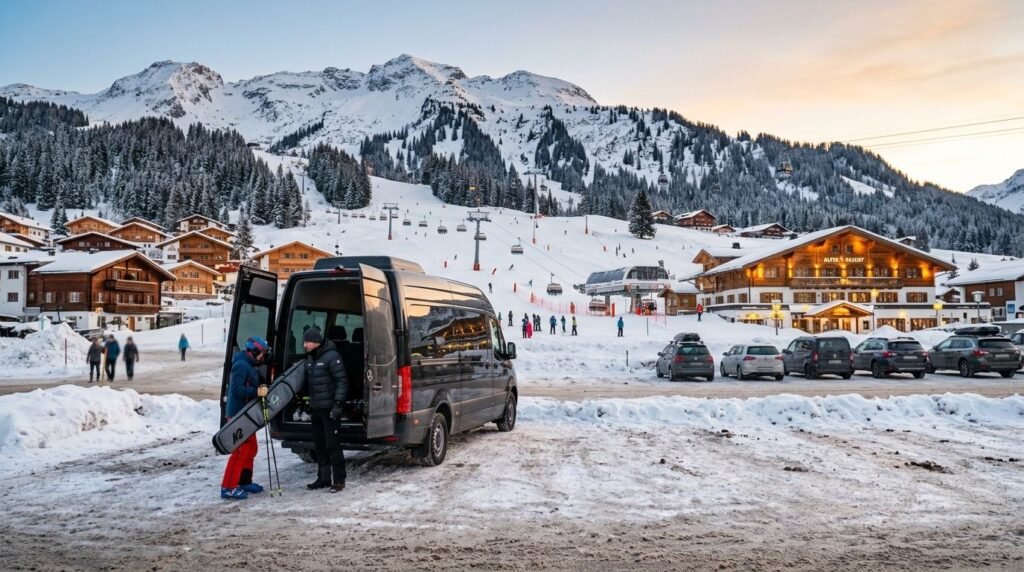
Why ski groups get vehicle sizing wrong
The most common mistake an organiser makes is booking by seat count. A 14-passenger van seats 14 people. It does not carry 14 people plus 14 ski bags, 14 boot bags and 14 suitcases.
Ski and snowboard bags are long, rigid and don’t compress. Boot bags are bulky. Once the third row is occupied, cargo space drops sharply. Plan on the working figure below rather than the seat figure.
| Vehicle | Seats | Realistic with full ski gear |
|---|---|---|
| Luxury SUV | 6 | 4 with bags |
| Sprinter van | 14 | 10–12 with bags |
| High-roof extended van | 14 | 11–13 with bags |
| Executive Sprinter | 13 | 9–11 with bags |
Rule of thumb: take your headcount, divide by 12, and round up. That’s your vehicle count for a full-gear ski trip.
Fleet sizing by club size
| Club size | Vehicles | Configuration |
|---|---|---|
| 10–14 | 1 | One van, gear-dependent |
| 15–24 | 2 | Two vans |
| 25–36 | 3 | Three vans |
| 37–48 | 4 | Four vans, convoy scheduling |
| 49–60 | 5 | Five vans, staggered departures |
| 60+ | Mixed | Consider a motorcoach plus support vehicles |
Above roughly 50 people a coach may be more economical for the main leg — but coaches can’t reach every resort base, have restrictions on some mountain roads, and offer no flexibility once you’re there. A van fleet costs more per head and is considerably more useful on the ground.
What it actually costs per skier
Group transport looks expensive as a total and cheap per person. Run the per-head figure before you compare against anything else.
| Route (round trip) | Per van | Per skier at 12 |
|---|---|---|
| DIA ↔ Winter Park | $650–$1,000 | $54–$83 |
| DIA ↔ Keystone | $950–$1,450 | $79–$121 |
| DIA ↔ Breckenridge | $1,000–$1,500 | $83–$125 |
| DIA ↔ Vail | $1,100–$1,600 | $92–$133 |
| DIA ↔ Steamboat | $1,600–$2,200 | $133–$183 |
Ranges are estimates and vary by season, day of week and vehicle. For a firm group quote call (720) 694-7791 or see our rates.
Compare that against per-person shared shuttle fares multiplied by your headcount, plus the fact that a shared shuttle won’t wait for a delayed flight, won’t collect from one address, and won’t keep your group together.
Booking timeline
| When | What to do |
|---|---|
| 3–4 months out | Lock dates for holiday weeks, MLK, Presidents’ Day and spring break |
| 6–8 weeks out | Book regular-season weekends; confirm vehicle count |
| 3–4 weeks out | Submit final headcount and gear inventory |
| 1 week out | Confirm flight numbers, pickup addresses and rooming split |
| 48 hours out | Receive driver names and vehicle details; share with the group |
| Day of | One named group lead per vehicle, contactable by phone |
Holiday weekends are the constraint. A club of 40 needs four vehicles simultaneously, and there are only so many in Colorado on Presidents’ Day weekend. Early booking isn’t a courtesy here — it’s the difference between one operator and three.
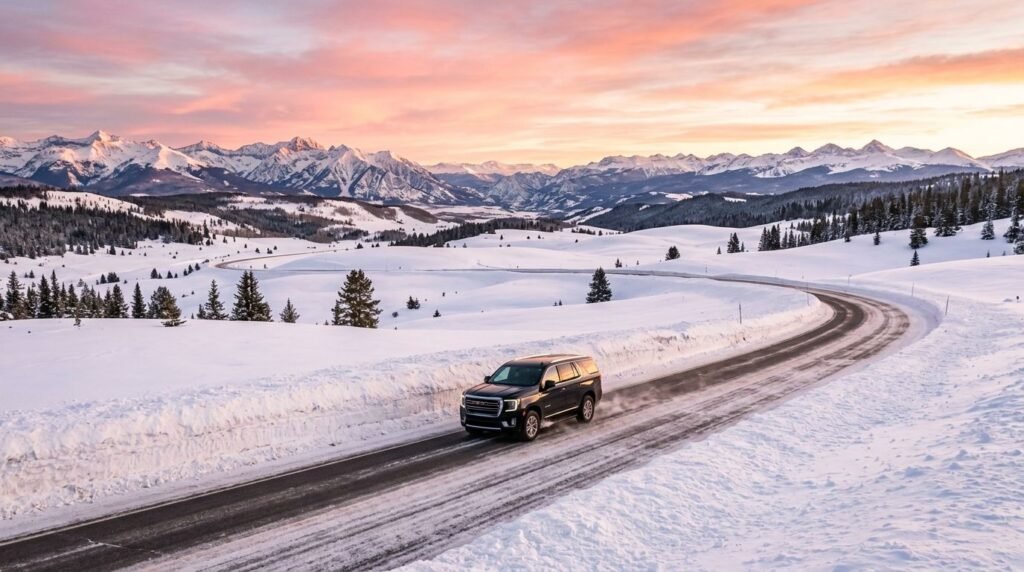
The problems that actually arise
Your group arrives on different flights
Common with clubs flying from multiple cities. Two options: stagger vehicle departures to match arrival banks, or consolidate with a meeting window at the airport. Staggering costs more; consolidating means some people wait. Decide early and tell the group, because the surprise is what causes friction, not the wait.
One flight is delayed and the others aren’t
This is why flight numbers for every inbound flight matter, not just the main one. Dispatch tracks each and adjusts the affected vehicle rather than holding the whole fleet.
Someone brings far more gear than declared
Build a small margin into your vehicle count. A club of 24 booked into exactly two full vans has no slack; three vans with room to spare costs a little more per head and removes an entire category of departure-day problem.
People want to leave at different times
Ski clubs rarely move as one body once they’re at the resort. If you need on-mountain movement during the trip, book hourly rather than point-to-point so the vehicles stay with you.
Minors in the group
School and youth clubs need clarity on chaperone ratios, car seats for younger children, and who is authorised to release a minor at drop-off. Raise this at booking, not on the day.
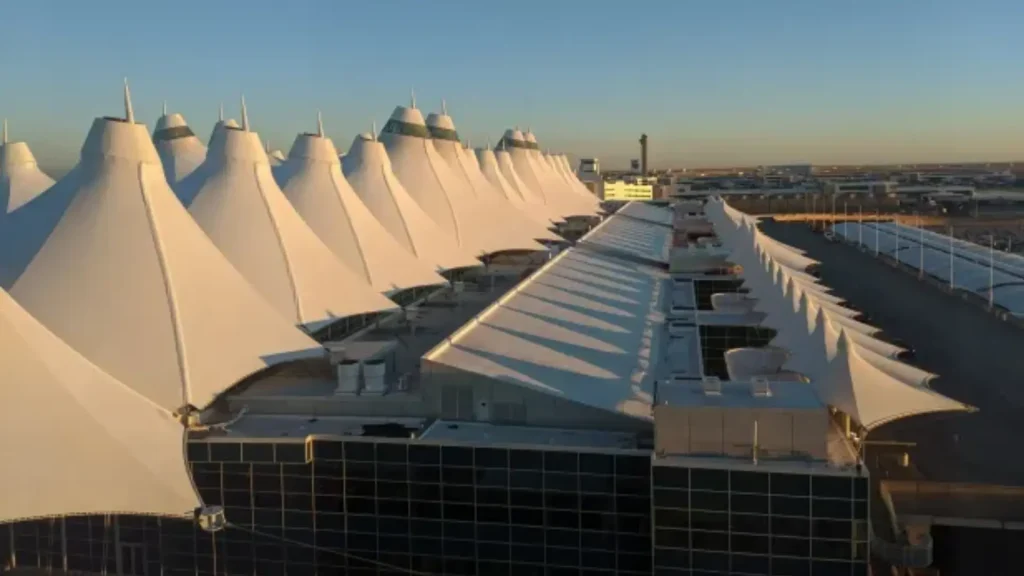
Route notes for club organisers
- Winter Park — closest major resort and the cheapest group run. Crosses Berthoud Pass rather than the tunnel, which avoids the worst Sunday traffic.
- Keystone and Copper — short and affordable, but both meet the Eisenhower Tunnel within twenty minutes of departure.
- Breckenridge — similar timing, with a spread-out town that means naming exact lodging addresses matters.
- Vail and Beaver Creek — add Vail Pass. Beaver Creek’s gated village access complicates multi-vehicle pickups; Avon is often the simpler meeting point.
- Steamboat — longest run, fewest operators, book earliest.
- Aspen — Independence Pass closes in winter and has length restrictions, so vans route via Glenwood Springs year-round. Budget the extra hour.
Questions to ask any operator before you commit
- Are you PUC registered and what’s your commercial liability coverage? For a group booking this is the first question, not the last.
- Do you own the vehicles or subcontract? Subcontracted fleets vary in standard and complicate accountability.
- What’s the deposit and cancellation structure for multi-vehicle bookings? Group terms usually differ from single-vehicle terms.
- Are your drivers experienced on winter mountain roads specifically? Not all commercial drivers are.
- Are the vehicles traction-law compliant? Colorado enforces tyre and chain requirements on I-70 in declared conditions.
- Can you keep the same vehicles and drivers for the whole trip? Continuity matters over a week.
- How is billing handled? One invoice to the club, or split across members?
Our guide on how to vet a Colorado transportation company covers licensing and insurance in more detail.
Season-long and repeat arrangements
Clubs running multiple trips across a season are worth discussing as a standing arrangement rather than a series of one-off bookings. Consistent drivers who know your group, held dates across the calendar, and a single billing relationship all reduce the organiser’s workload considerably — which is usually the real cost of running a club.
If you organise for a club, team, corporate group or school, call (720) 694-7791 or get in touch to talk through the season.

Frequently asked questions
How many vehicles does a 30-person ski club need?
Three vans. Divide your headcount by 12 and round up — seat capacity overstates what a vehicle carries once ski bags are loaded.
How far in advance should a ski club book transportation?
Six to eight weeks for regular-season weekends, and three to four months for holiday weeks and spring break. Multi-vehicle availability is the constraint.
What does group ski transportation cost per person?
Roughly $40–$90 per skier round trip for most Front Range resorts at around 12 passengers per vehicle, rising for Steamboat and Aspen. Pricing is per vehicle, not per seat.
Can you handle a group arriving on different flights?
Yes. Provide every inbound flight number and we’ll either stagger departures to match arrivals or set a consolidation window. Call (720) 694-7791 to plan it.
Do you accommodate ski and snowboard bags?
Yes, but declare the full gear inventory at booking — it determines vehicle count more than headcount does.
Can we keep vehicles with us during the trip?
Yes, through hourly booking rather than point-to-point transfers. This suits clubs that need on-mountain movement, group dinners or multi-resort days.
Do you work with school and youth ski clubs?
Yes. Raise chaperone arrangements, car seat requirements and drop-off authorisation at booking so everything is agreed in advance.